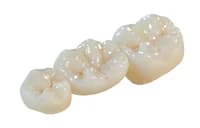
A ceramic crown covers the whole prepared tooth to restore shape, chewing function and aesthetics. It is a decision made by the dentist after an examination, not a default choice for every case.
Situations where a crown is commonly considered
Large decay or fracture. When much of the tooth is lost, a direct filling is unlikely to last and may debond or crack. A crown wraps the tooth, spreads chewing forces and protects what remains.
Root-treated teeth. After root canal treatment a tooth often has less structure and may be more prone to fracture. The dentist may suggest a crown, sometimes with a post and core to support it.
Severe discolouration. When less invasive approaches do not achieve the result, a crown or veneer can be an aesthetic option.
Worn, chipped or misshapen teeth. A crown can rebuild shape and height where appropriate.
Missing teeth needing a bridge or implant restoration. The crown is the visible part of a bridge or of a tooth on an implant.
When to be cautious or wait
- Active gingivitis, periodontitis or uncontrolled decay: stabilise first.
- Very mobile teeth or roots not fully assessed.
- Abnormal occlusion or heavy grinding: needs assessment to choose the right material and design.
Basic steps
- Examination, radiographs and treatment planning.
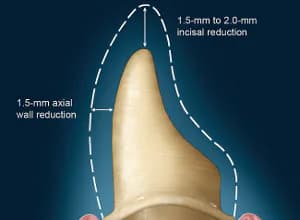
- Tooth preparation following tissue-conserving principles.
- Impression or digital scan, and shade selection.
- The laboratory designs and fabricates the crown (CAD/CAM).
- Try-in, occlusal adjustment and placement.
Choosing a material
Metal-free crowns, including zirconia, are widely used. The dentist weighs monolithic zirconia against a porcelain-layered zirconia framework according to tooth position, occlusion and aesthetic needs.
Aftercare
Clean the gumline carefully, use floss or a water flosser, avoid biting hard objects and attend regular check-ups. If you notice sensitivity, swelling or a high bite, contact your dentist.
This article is for general information and does not replace advice from your dentist.